Domesticity and Masculinity
“The world is a great school, where we are always under the master’s eye; but at home, we are our own masters... We can there unbend, and be ourselves.” ~ William Hazlitt
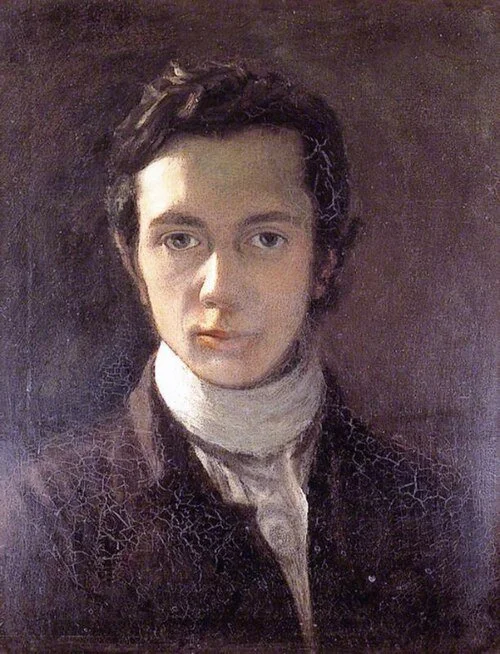
William Hazlitt. Self portrait from around 1802
Characters were a source of fascination to the Victorians. Out of their literature and playwriting emerged a plethora of classic characters, many of whom have imprinted themselves in our imaginations, from Oliver Twist to Count Dracula. The Victorians also created a character out of the home. To the Victorians, the home was a spiritual sanctuary, and any time spent away from home would result in devastating homesickness, a word which only entered into English vocabulary in the 19th Century. Homesickness was viewed a serious, potentially fatal illness, a form of clinical nostalgia; being cut off from the home caused a physical and mental breakdown, the only cure being a return to the patient’s childhood home.
As our modern-day sense of home stems directly from the Victorians, it makes sense that we should explore the home and its residents through their lens.
We now enter our Theatre of the Past. The stage is set, the curtains are lifting and the audience is attentive. The opening music plays.
“An exile from home splendour dazzles in vain
Oh, give me my lowly thatched cottage again;
The birds singing gaily that came at my call:
Give me them and that peace of mind, dearer than all
Home, home, sweet, sweet home
There’s no place like home
There’s no place like home”
- ‘Home, Sweet Home.’ John Howard Payne, 1823.
DRAMATIS PERSONAE
John Greenleaf Whittier – American Poet and Anti-Slavery Campaigner
Jerome K. Jerome – English Writer and Humourist
Samuel Butler - English Novelist and Critic
H.C. O’ Donnoghue – British Clergyman
Robert Louis Stevenson – Scottish Novelist, Essayist, Poet and Travel Writer
The Head of the Household – a Victorian aristocrat
ACT I: Boyhood
SCENE I
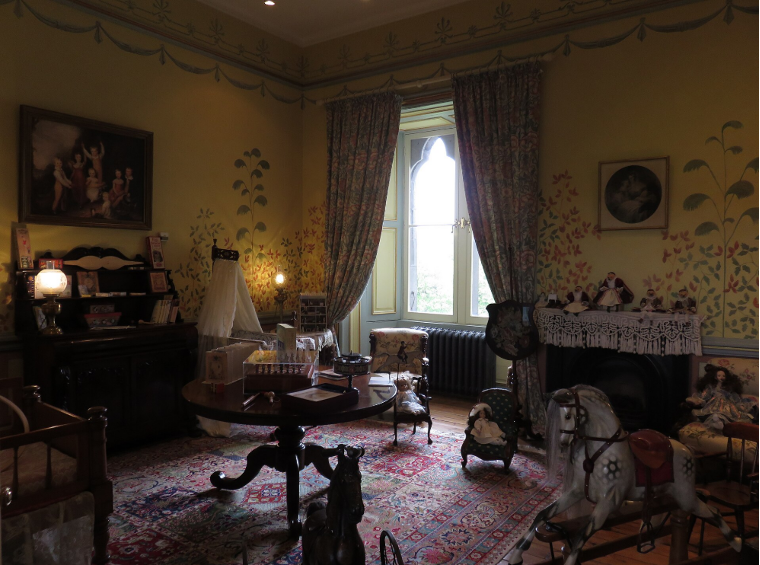
The interior of a country house. A child’s nursery. Daylight. Wooden toys are strewn about the floor. There is a rocking horse in the corner. The stage is brightly lit. A young child wearing a petticoat sits STAGE LEFT. JOHN GREENLEAF WHITTIER stands, centre stage, and delivers a monologue to the audience.
“Blessings on thee, little man, / Barefoot boy, with cheek of tan! / With thy turned-up pantaloons, / And thy merry whistled tunes.”
Tucked away on the highest floor of the home, the beginning of each child’s life, male or female, had its loving start in the nursery. Under the watchful eye of Nanny and a plethora of nursery staff, a child took their first steps in the day nursery and fell asleep to bedtime stories in the night nursery. The homes of the Victorian era were described as ‘child centred’ because the design of the house was planned around the nursery, which functioned as a self-contained apartment: a secluded world which a child rarely left. This isolation of children not only prevented the noise of childhood from intruding upon the adult world below but reflected the Victorian philosophy of the home: an inner sanctum, protecting against the evils of the outside world.
As a boy grew, so did his distance from the nursery nook. Upon his breeching, a significant ceremonial event between the ages of six and eight where a boy transitioned from petticoats to his first pair of trousers, his world expanded to day trips with his father: a walk in the park, an outing to fly homemade kites at the seaside. To a young boy, it might have seemed that those precious, happy years would have stretched on forever…
SCENE II
Boarding school. A boy stands, looking bewildered, clutching tightly to a small teddy bear, a reminder of home, while older, stronger boys push past him, jostling and shouting.
JEROME K. JEROME enters, STAGE LEFT.
“The idle boy is the father of the worthless man. Let every lad remember that his character is being hammered out day by day on the anvil of his daily duties.”
It was a tried and tested Victorian belief that the only way a boy could transition into a young man was by distancing yourself from your childhood home. Home and the nursery floor meant warmth and comfort; a soothing word from a Nanny, the reassuring presence of your mother, the influences of your younger sister. Such a world of femininity could not hope to achieve the sound installation of the values of masculinity. Learning to be a man meant strong discipline, deference to those in authority, slightly rough living quarters and a lot of physical exercise. Enter the world of a Victorian boarding school. At the age of ten, boys were sent away from the home to boarding school with the conviction that only after ten years of receiving an education alongside a large cohort of his peers would a boy be prepared to assume his position of authority in Victorian society… For the first time, as a young boy, the word homesickness would enter his vocabulary.
ACT II: Paterfamilias
SCENE I
The interior of a country house. A study. Daylight. SAMUEL BUTLER enters, STAGE RIGHT.
“He was a paterfamilias... To parents who wish to lead a quiet life I would say: Tell your children that you are very clever and exceptionally good... and that if they do not do as you tell them, the Earth will open and swallow them up.”
He stands at the marriage altar. As he recites his vows, a man finally enters into the fulness of masculinity. In Victorian society, a man was only truly recognised as an adult once he assumed his role as the Head of his own household. It was only after marriage could a man purchase a property and form a household of his own. The responsibility of providing for and protecting his wife and children was the hallmark of masculine identity.
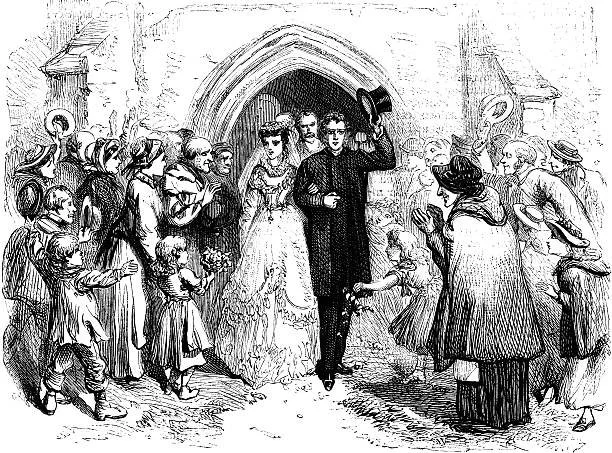
Home was the world in which the man was Paterfamilias – the eldest male of the household, who held an absolute and legal authority over every member of the household, from his wife and children to the lowliest servant.
If an Englishman’s home was his castle, then the man was the king. The very space he carved out in the home: from the library to the study and smoking room, all were reserved for him and male company. And hosting guests in the drawing and dining room boasted the success of his kingdom.
SCENE II
The interior of a country house. H.C O’ DONNOGHUE enters, STAGE LEFT.
“The married man’s self-respect is kept alive by finding that, though all around is darkness and humiliation, yet there is still a little world of love at home, of which he is the monarch.”
There was no greater time in a man’s day than walking up to his front door and crossing the threshold into his own home. Greeting his wife and sitting down to cooked meal followed by an evening spent playing with his children was a slice of domestic heaven. They say absence makes the heart grow fonder and this was certainly the case when it came to the relationship between masculinity and domesticity in the Victorian era. Home was the idyll, the cornerstone of a man’s life, a moral sanctuary where a man could take off the mask he wore for the outside word and be his most authentic self. This vision was born out of the Industrial revolution: for the first time work took men out of the home, sometimes for weeks at a time. In this separation could an ideal be created, a miniature world in which the man was the focus of a circle of affection and authority. This philosophy reflects the insight of thinker Slavoj Žižek, who suggests it is only possible to create an ideal when a person experiences psychic and physical distance from the object of their ideal. Separation creates a void, and from that void it is possible to project our desires and create a fantasy. The home was a fantasy born out of the conflicting relationship between masculinity and domesticity, a fantasy that may have been created at the tender age of ten, when homesickness first entered a boy’s vocabulary.
EPILOGUE
ROBERT LOUIS STEVENSON enters, STAGE RIGHT.
“We are all taught to hide out our wrongs, to seem to others what we are not, to wear a smooth face over a sickening heart. A man’s true identity is not what he shows to the world, but what he struggles against in the dark.”
A man who presided over his home was a complex character, trapped between two worlds. Victorian society demanded respectability but also encouraged a brazen expression of masculinity. A man was considered the ultimate authority in the home, having dominion over his wife and children. The legal and social status of authority ran the risk of bleeding into an unhealthy, and potentially harmful exertion of control and allowed abuse to go unchecked.
The HEAD OF THE HOUSEHOLD enters STAGE LEFT
Will anyone notice if the HEAD OF HOUSEHOLD’s wife’s hand trembles slightly when she hears the voice of her husband echo down the hallway when he returns home? Or the way his children shake at the sight of the switch hanging above the study? The HEAD OF HOUSEHOLD might chastise his wife and children, but it is a correction made from love for his family. That is what he repeats. And while he will withhold wages and threaten his staff with a poor character reference, if they do not learn discipline from him, where will they learn it?
END.
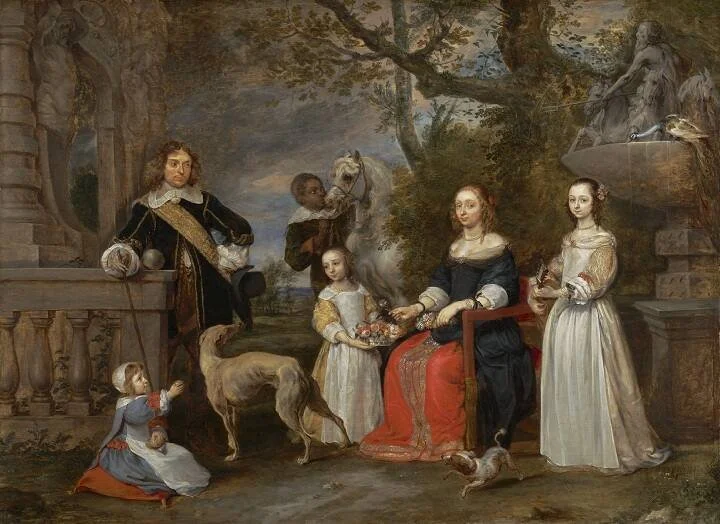
Family Portrait in a Landscape. Gonzalez Coques, 17th century
Our journal, Built to Last, asks the question ‘What does it mean to be a good custodian?’ Through essays, conversations and stories rooted in real buildings and the people who care for them, we explore what it takes to preserve an old home’s fabric and its story - and the decisions that shape both.
At Pursuing the Past, we research and write beautifully presented House Stories, turning historical detail into lasting pieces of storytelling that deepen your connection to your home and invite you to take your place as custodian of its continuing story.