
Built to Last
Built to Last asks the question ‘What does it mean to be a good custodian?’ Through essays, conversations and stories rooted in real buildings and the people who care for them, we explore what it takes to preserve an old home’s fabric and its story - and the decisions that shape both.
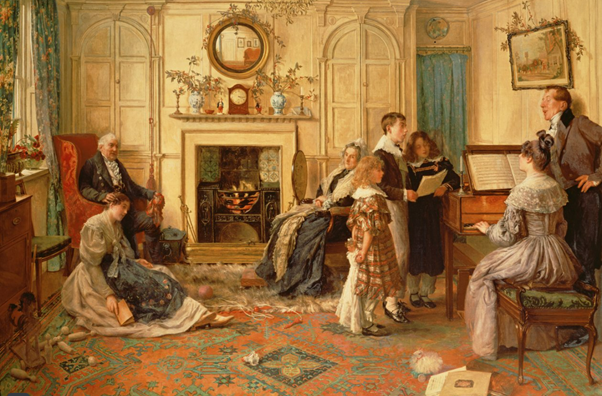
The House in Memoriam: I
On 3rd August 1914, the sun set on the Edwardian era. Edwardian life had been filled with the kind of gaiety and uninterrupted innocence that begets peace time.
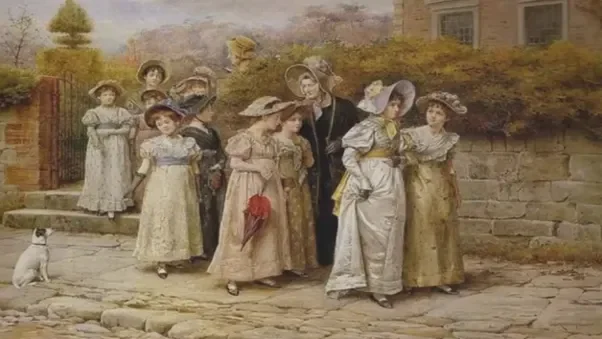
The role of the Victorian villa in female education
In the 19th Century, the expectation for a girl of the middle and upper classes was that their education should be sufficient to equip them to be a wife, mother and home-keeper.
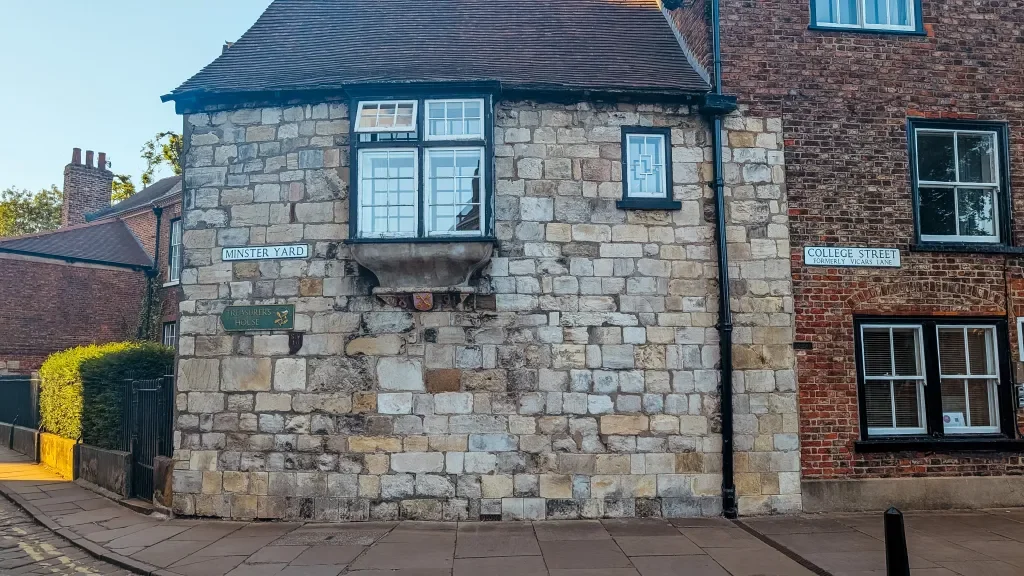
The House that Became a Tomb
My grandfather spent his life living in new build houses. His fear of sharing his existence with the spirits of former occupants was deeply rooted. So, naturally, he had a granddaughter who was fascinated by ghosts.
How Victorian Boarding Schools Shaped British Ideas of Manhood
It was a tried and tested Victorian belief that the only way a boy could transition into a young man was by distancing yourself from your childhood home.
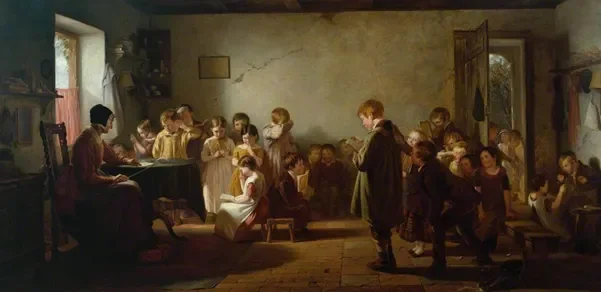
Society of Youth: The Old Schoolhouse
School bells ringing; children crunching across frosted ground, leather satchels swinging; screeching of chalk against slate; terrifying swishing of the schoolmaster’s cane: these are the sounds and sights we conjure up when we hear or see the phrase ‘The Old Schoolhouse’.

The Secret Lives of Our Homes: Epilogue
In a quiet corner of Surrey lies the town of Chertsey, once home to an 18th century cottage. The cottage was falling into disrepair when it was purchased in the mid-1930s by a stockbroker, Gerald Schlesinger.
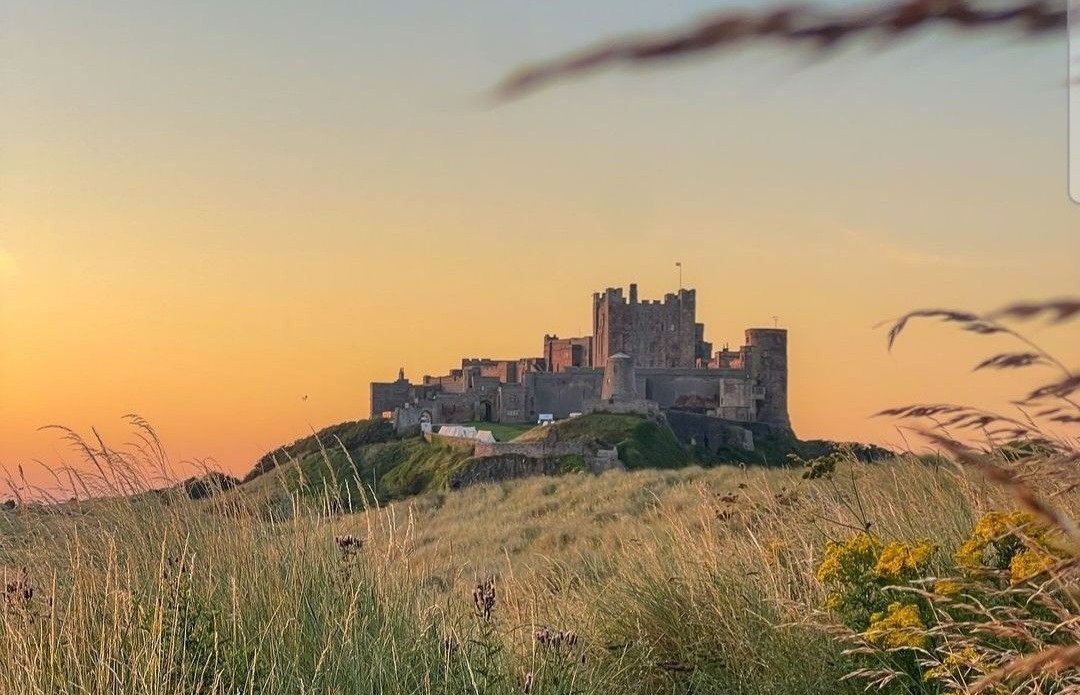
The Secret Lives of Our Homes: III
On the fringes of Bath, a glade of trees shade those beneath from the harsh glare of the sunlight. The women wandering this glade are among the most important figures to walk through history. But as so often happens to women, history has quietened their footsteps.
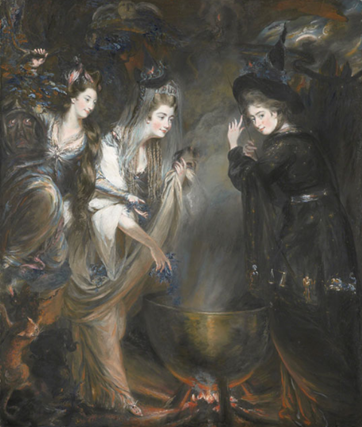
The Secret Lives of Our Homes: II
Casting Spells. Rhythmic chanting. Pointed hats. Smouldering cauldrons brimming with animal parts. Witches. Clearly identifiable. However, this wasn’t always the case.
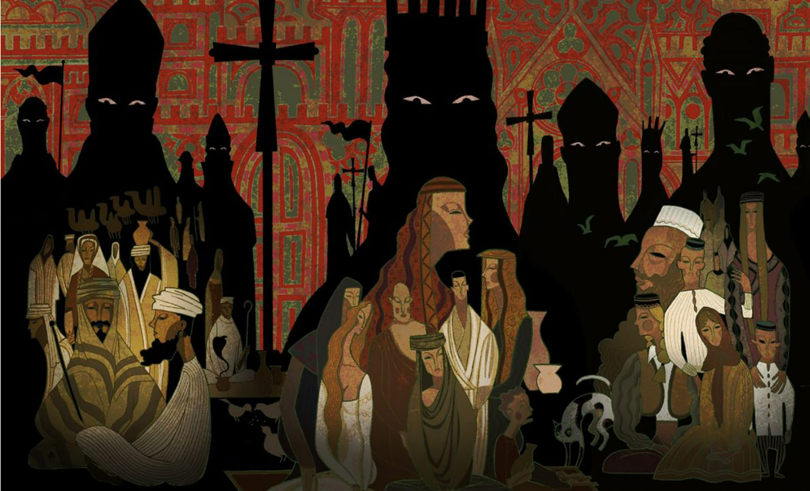
The Secret Lives of Our Homes: I
The dead of night. Thomas and Mary Habingdon are sleeping soundly. An almighty crash! The stamping of boots and yelling.
The Golden Age of Poison
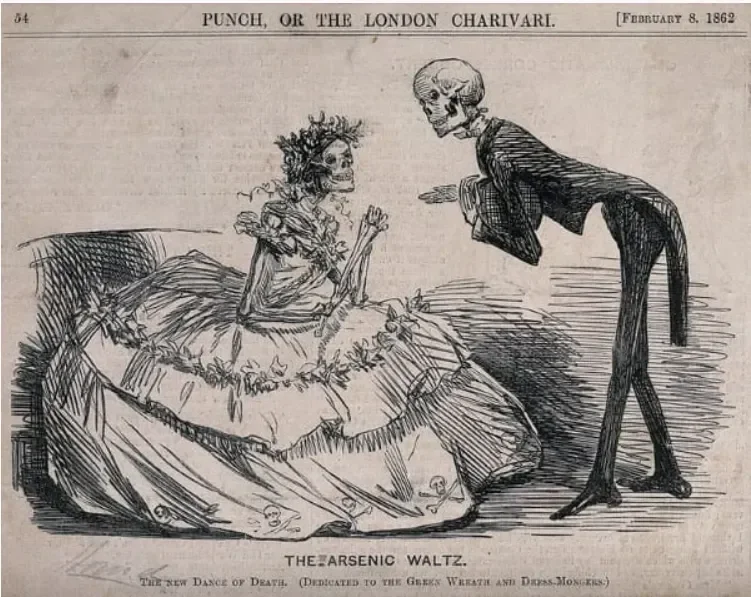
7pm. Thursday, 7th October 1880. Kidds Hill, Coleman’s Hatch. Screaming. From the direction of Forest Cottage. Upon arrival at the scene, a lady dressed only in a flannel petticoat and chemise is stretched out on the front steps, crying out for God’s mercy. There is talk of poison. One day later she is dead.
Women and the Gothic Revival
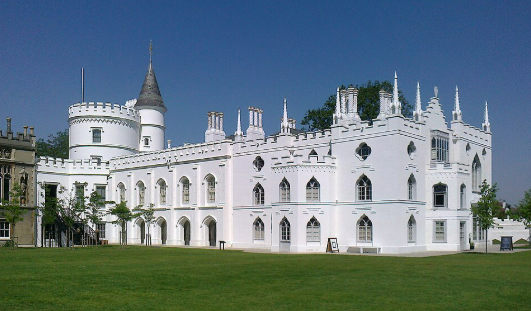
Darkness. Terror. Pain. Death. The Gothic. Throughout the late 18th to the early 19th Century, Britain underwent a Gothic craze. From literature to architecture, nothing could escape its influence.
A Sense of Purpose
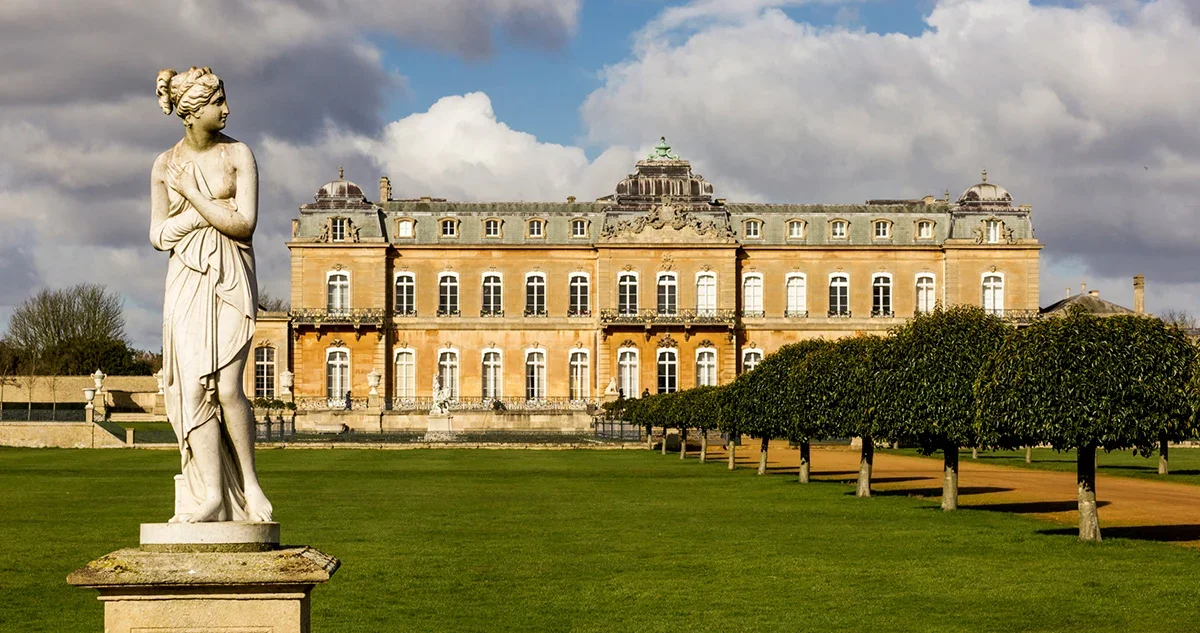
On the Home Front of the First World War, lives were altered forever. But what about our homes? How were the stories of our homes changed under the pressures of war?
Theatre of the Past: IV
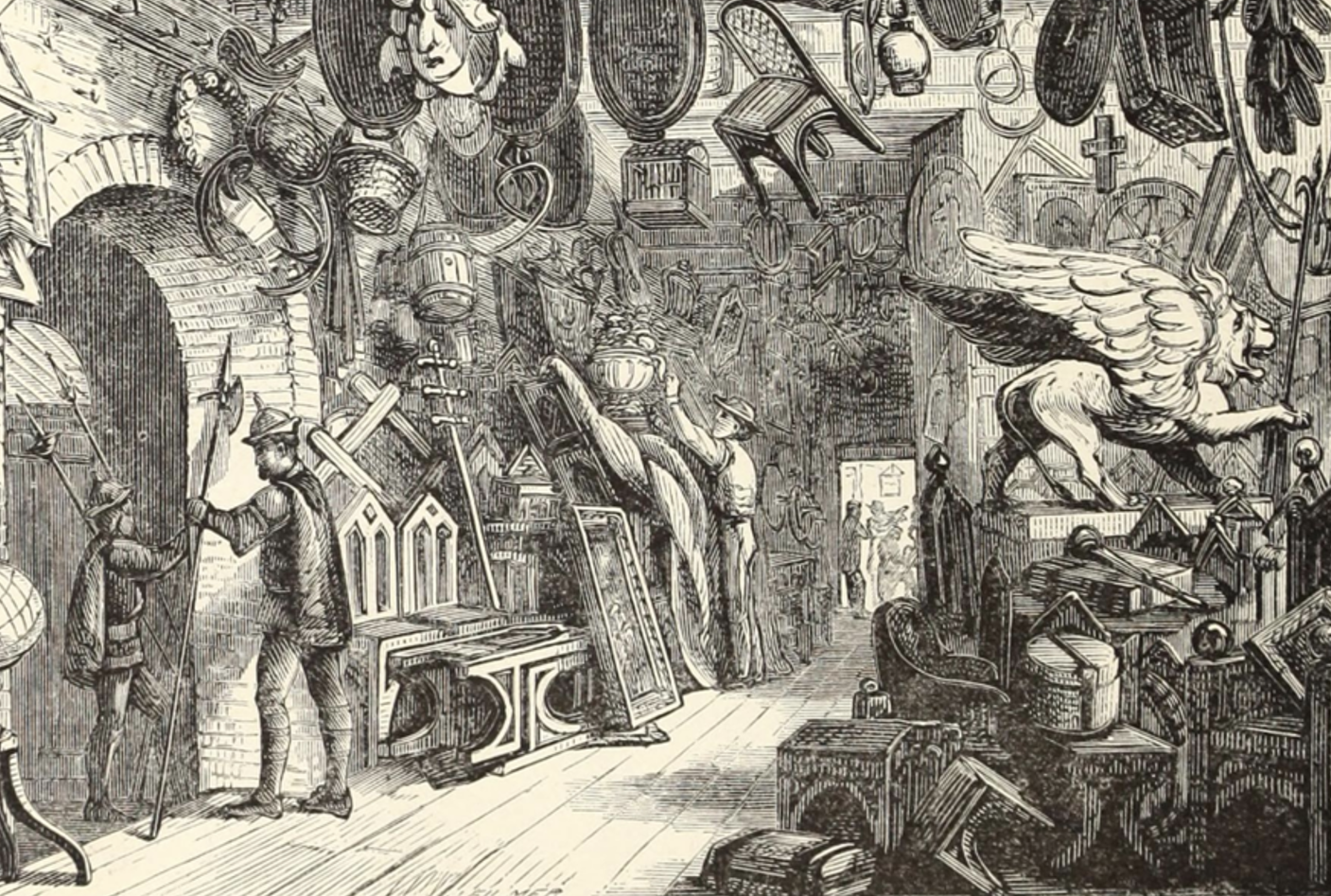
No play can be performed without the support of a production team. The team is made up of multiple professionals who contribute to the operational function of a theatre production. Just like a backstage crew, a Victorian household relied on staff to bring the idyll of the home to life.
Theatre of the Past: III
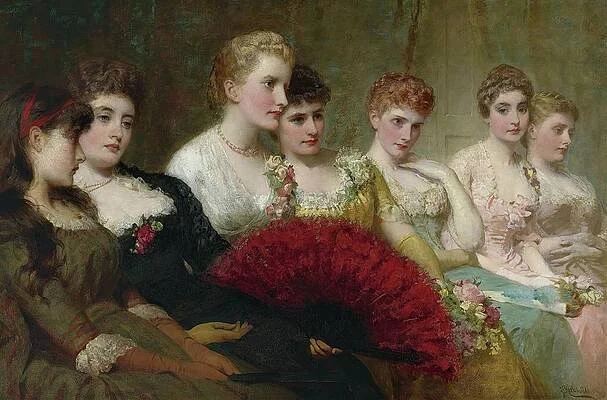
On 8th December 1660, history was made when Margaret Hughes trod the boards of the Vere Street Theatre, making her the first woman to perform as a professional actress on a public stage in England.
Theatre of the Past: II
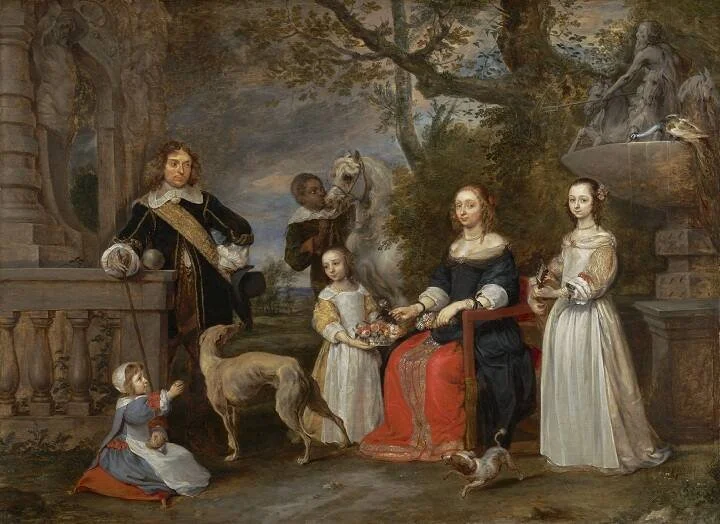
Characters were a source of fascination to the Victorians. Out of their literature and playwriting emerged a plethora of classic characters, many of whom have imprinted themselves in our imaginations, from Oliver Twist to Count Dracula. The Victorians also created a character out of the home.
Theatre of the Past: I
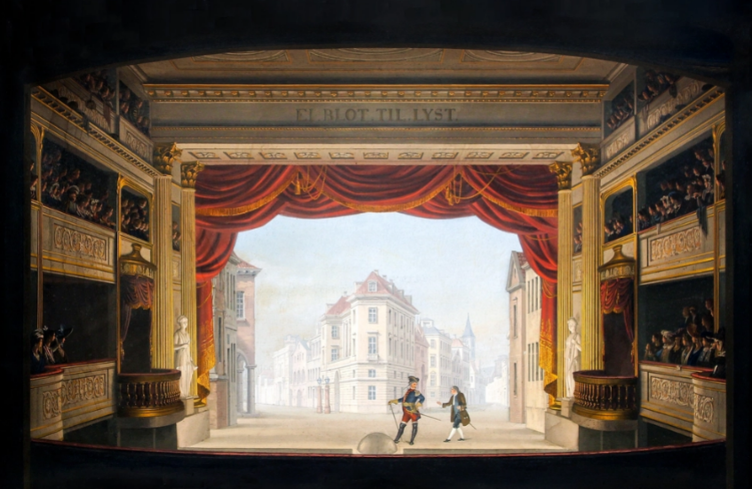
The past is its own theatre, complete with dramas and comedies. Every theatre has a stage, and a cast waiting in the wings, ready to perform the opening scene. Our homes are no different.
When Walls Talk: Your Home as the Main Character
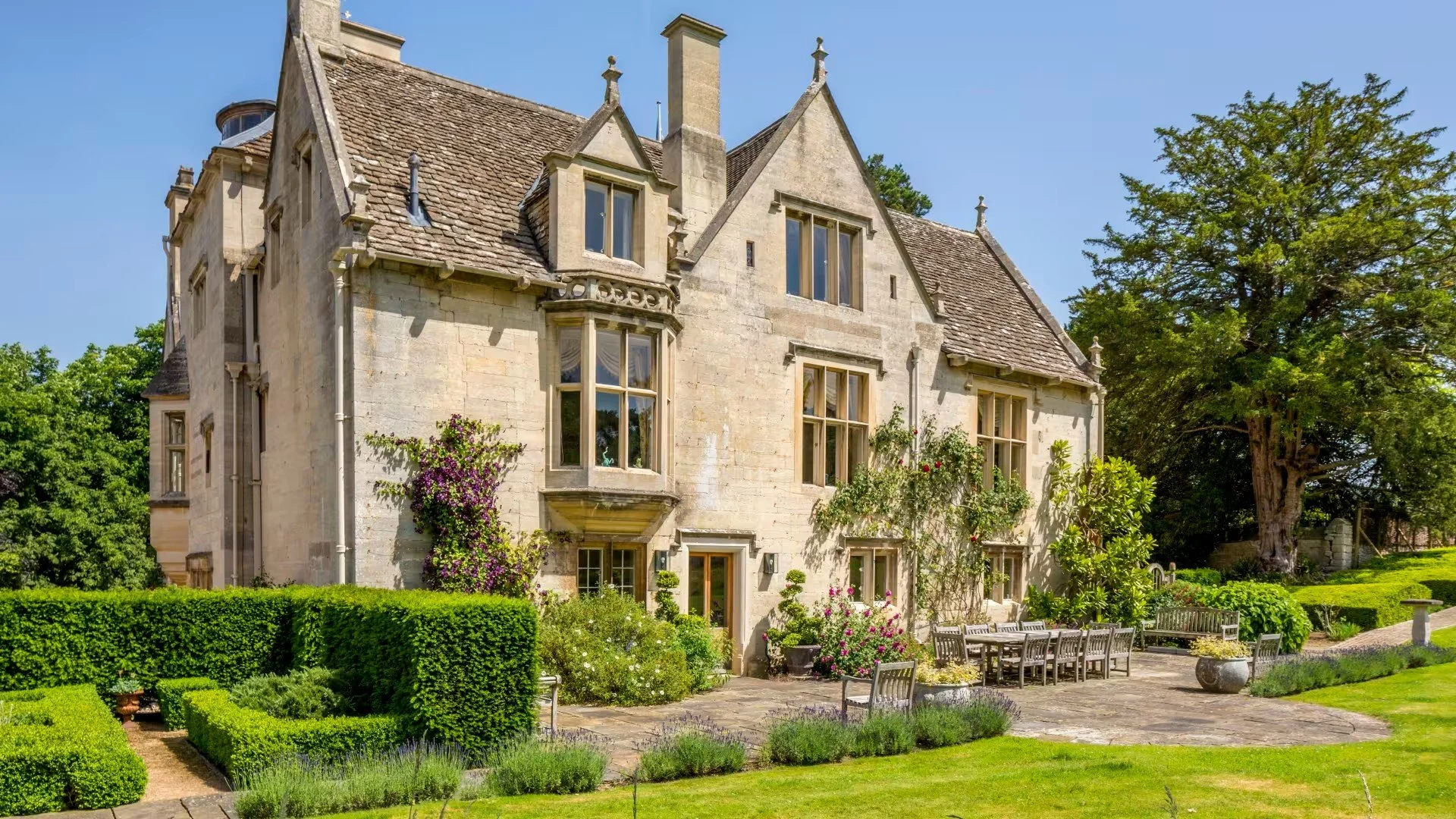
The robotic voice of the house in Ray Bradbury’s There Will Come Soft Rains calls out to its residents, sharing with them essential information: birthdates, wedding anniversaries. Markers of human life and its ever-evolving nature, all contained within the walls of a house.