Discover the ghost stories and dark local legends attached to Britain’s historic places, from Betty Mundy’s murderous folklore in Hampshire to Roman soldiers said to haunt a York cellar.
Britain has no shortage of haunted houses. An old inn that’s witnessed a notorious trial; a country lane which carries the name of a woman accused of murder; a handsome historic house known for the strange figures said to appear in its cellars. Some of these stories have roots in documented events, while others have become so tangled in local folklore that separating history from invention is completely impossible. Either way the places themselves are part of the appeal. There’s nothing like hearing a ghost story set in a building you can visit, or on a path you could find yourself walking after dark.
One such story belongs to Mundy’s House, near Southampton, where a stretch of the Hampshire countryside is still known as Betty Mundy’s Bottom. Its most notorious resident may never have existed, but her reputation has survived for generations, and she is far from the only ghostly character whose story has become inseparable from a particular place.
Betty Mundy and the sailors who never made it home
Between Corhampton and Bishop’s Waltham, in Hampshire’s South Downs, lies a valley with a name that sounds as though it ought to belong to a character in a grim fairy tale. Betty Mundy’s Bottom is a long, shallow valley on the Preshaw Estate, and its name has inspired several competing stories, the best-known of which concerns a woman who supposedly lived in a cottage there and made a living from the unfortunate travellers who crossed her path.
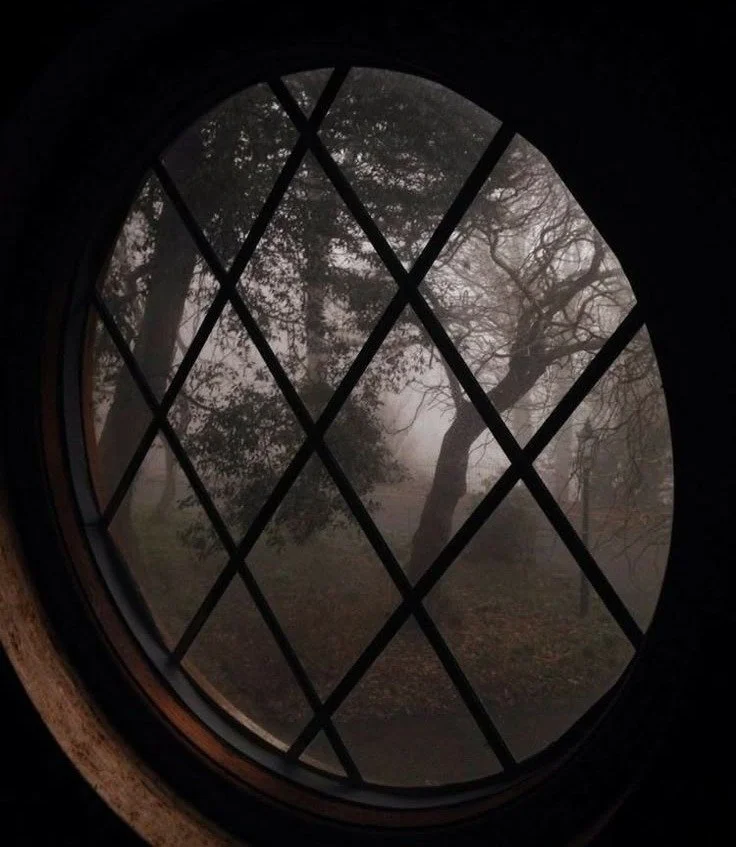
According to one version of her legend, Betty preyed on sailors returning from Portsmouth. Men who had been paid off from their ships would travel inland carrying their wages, making them attractive targets for a woman with thieving, murderous intentions. Betty would invite them into her cottage, offer them hospitality and, once they were suitably distracted or drunk, kill them and steal their money. Their bodies, the story goes, were disposed of down a well in her garden. The path passing her cottage became known locally as ‘Sailors Lane’, a name that doesn’t seem ominous until this spooky tale is told alongside it. The story was recorded in Downland Thymes, a publication produced by the South Downs National Park’s volunteer ranger service, although the account makes clear that nobody knows whether it is true.
There is another, slightly less murderous version in which Betty worked with press gangs who recruited men, often forcibly, into the Royal Navy. In this telling, Betty used her charms to tempt local farm labourers into the woods (almost like a siren!), where they could be ambushed and taken away to sea. Instead of collecting sailors’ wages, she earned a commission by helping the authorities find men for naval service. It’s a different sort of villainy, but hardly an improvement on her reputation.
Yet another local tale claims Betty was discovered ‘cursing’ cattle, an accusation that prompted an angry mob to burn down her cottage with her still inside. A search for a reputed treasure supposedly followed, though without success. Other accounts offer a more surprising alternative, describing Betty as a supernatural being or fairy associated with the valley, sometimes even a benevolent figure who granted wishes. The stories disagree on almost everything apart from the association between Betty Mundy and this little corner of Hampshire.
It’s tempting to imagine that one of these versions preserves the truth about a real woman, but there is no firm evidence establishing Betty as a historical murderer. Even the origin of the place name is uncertain. One theory suggests that Roman soldiers gave the valley the name Beati Mundae, supposedly meaning a beautiful or blessed place, although the South Downs National Park account cautions that this explanation cannot be confirmed. Why more sinister stories may have grown around an existing name, we can’t know for certain.
The landscape, meanwhile, has changed. The cottage associated with Betty was reportedly demolished in the twentieth century, and the property now known as Mundy’s House is a substantial country house rather than the humble dwelling of local legend. But the name remains, as does the story of the woman who supposedly lured unsuspecting travellers into her home. If a ghostly sailor still walks the lane in search of his stolen wages, as one version of the folklore suggests, he’s going to be looking for a long time yet.
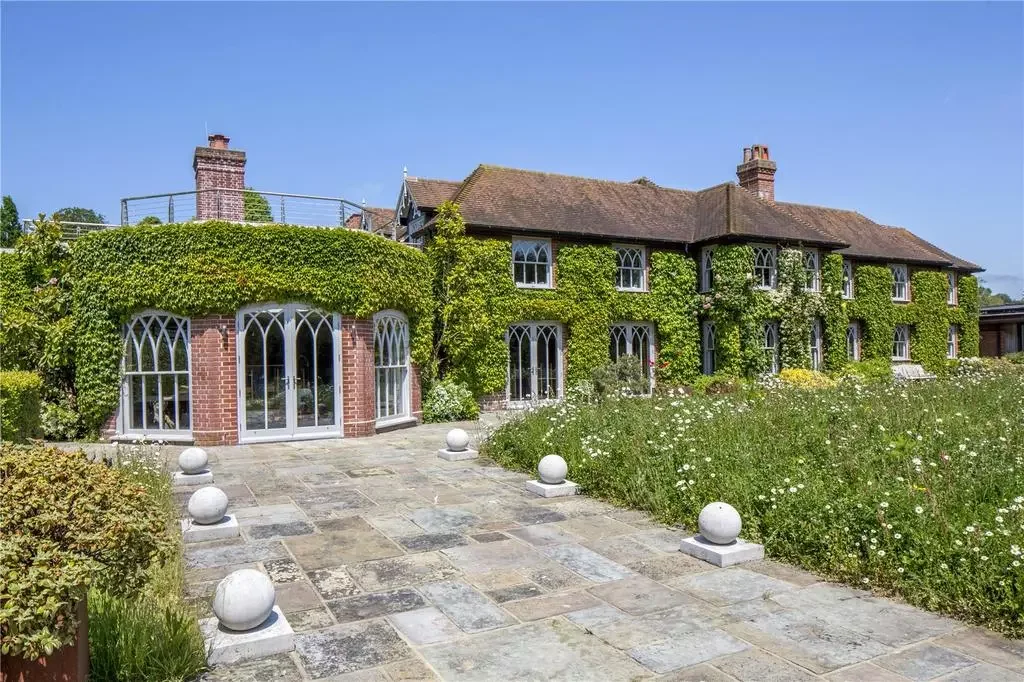
Modern Betty Mundy’s House
The ghosts of Southampton’s Red Lion
Murderous women are not the only characters to have found a home in Britain’s ghost stories. In Southampton, the Red Lion Inn is associated with a particularly grim episode in the town’s history, and again, the details of the haunting are difficult to separate from local legend.
The pub is an old building, dating from the late medieval period, with a timber-framed exterior and a vaulted space beneath it known as the courtroom. Local tradition connects this room with the trial of the men implicated in the Southampton Plot of 1415, a conspiracy against Henry V on the eve of his campaign in France. The plotters were accused of planning to replace the king with Edmund Mortimer, Earl of March, and were eventually executed. The episode has given the pub a place in Southampton’s darker stories, including reports of a mournful procession of ghostly figures leaving the building.
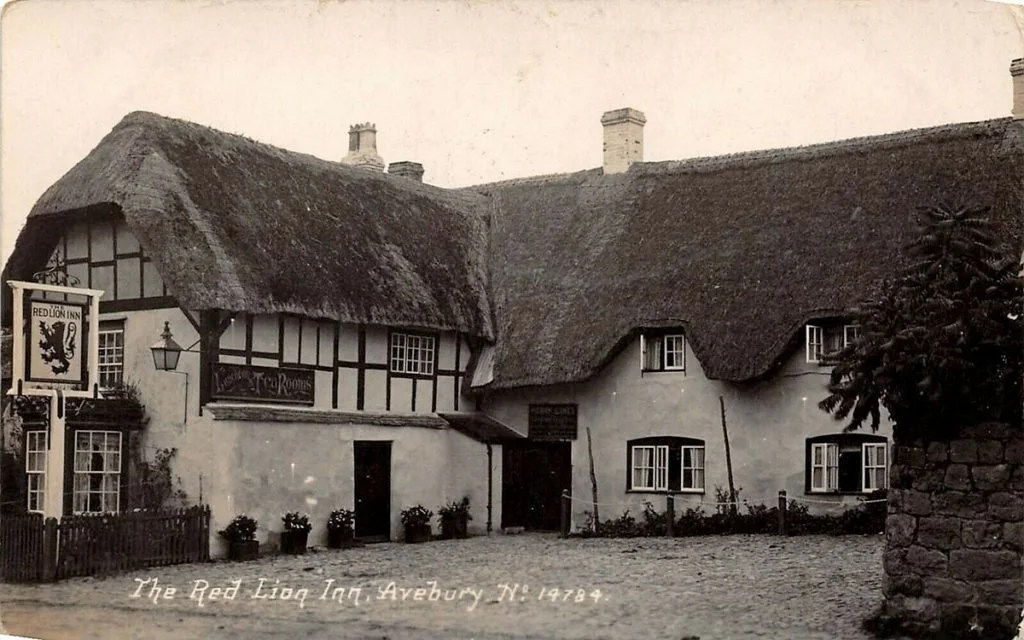
The Red Lion Inn, 1910
This is all very exciting until you learn that the Red Lion as it stands today dates from later than the trial, and there is no documented evidence establishing that the conspirators were tried there. The castle would have been a more plausible place for such proceedings. The connection between the pub and the Southampton Plot is therefore better understood as local tradition than settled history.
The plot itself is real, and its participants met violent ends, but the building’s supposed role in their downfall is another matter. Over time, a historic pub has become associated with a dramatic event, and the ghost story has grown from that connection.
Whether anyone has actually seen such figures is a separate question. The legend survives because it gives a familiar place a second history that can be told over a drink in the very building where the story is supposed to have unfolded.
The Roman soldiers beneath Treasurer’s House
York is a city where the past is never very far away, but at Treasurer’s House, tucked behind the Minster, it is said to come right through the walls.
The house has a long history of its own: its foundations sit above the remains of the Roman city of Eboracum, and archaeological excavations have revealed the route of a major Roman road beneath the property. Today, it is known not only for its historic interiors but also for one of Britain’s best-known ghost stories: the Roman soldiers supposedly seen marching through its cellar.
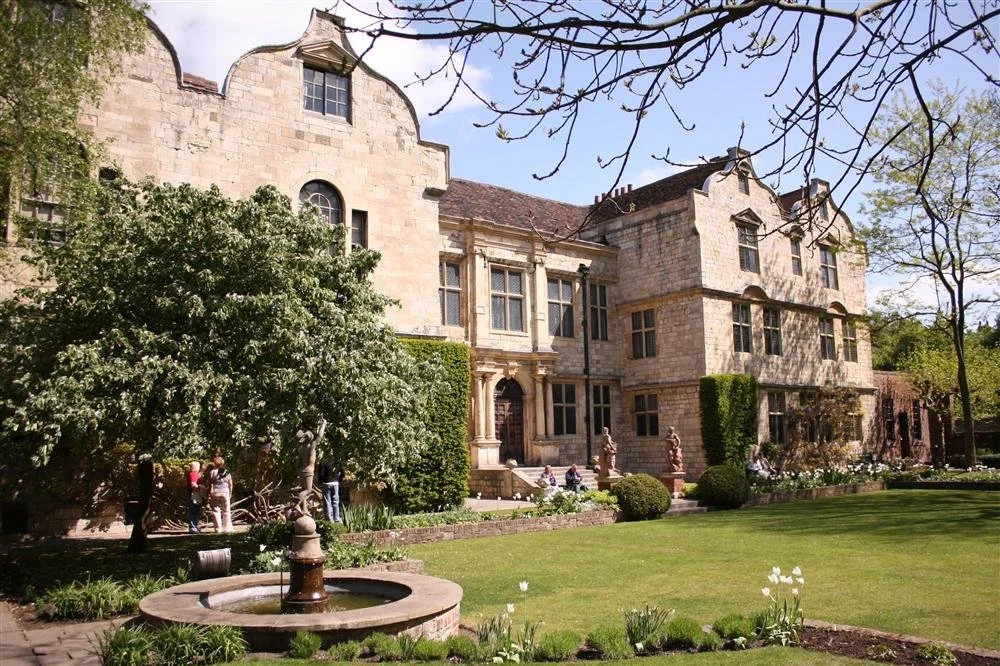
Treasurer’s House, York
The most famous account dates to February 1953, when a young apprentice heating engineer named Harry Martindale was working in the cellar during the installation of a boiler. He later described hearing a trumpet-like sound, followed by the appearance of a Roman soldier emerging through a solid wall. More soldiers followed, marching in pairs, with a horseman among them. Martindale said that the figures were visible only from the knees upwards, as though they were walking along a road at a lower level than the cellar floor. He described their green tunics, helmets and sandals, and recalled being terrified by what he saw.
Martindale was not the only person associated with the house to report a strange encounter. The National Trust recounts the experience of housekeeper Joan Mawson, who said she heard horses’ hooves before seeing Roman soldiers and their horses passing through the cellar. She did not speak about it at the time, and it was only years later that the story came up in conversation.
The unusual detail that makes this story particularly exciting and memorable is the relationship between the apparition and the archaeology beneath the house. The soldiers were supposedly marching along a road that lay below the modern cellar, and excavations later confirmed the presence of a Roman road in the area. That does not establish that Martindale saw ghosts, of course, but it gives the story a powerful setting. The house stands above the remains of a city that existed nearly two thousand years ago, and the legend imagines that older world briefly becoming visible again.
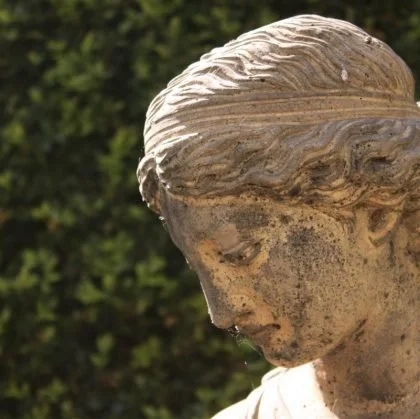
Statue in Treasurer’s House garden
Treasurer’s House has accumulated other ghost stories, too, including reports of a grey lady and unexplained disturbances. The National Trust records these as experiences reported by staff, volunteers and visitors, while acknowledging that many people who have worked in the house for years have experienced nothing unusual. Visitors are free to pay a visit to the house and make up their own minds.
Why these stories stay with us
Betty Mundy, the condemned men of Southampton and the Roman soldiers of York belong to different kinds of folklore. One story shifts between murder, witchcraft and fairy tale, another attaches a haunting to a disputed account of a historical trial, the third places an apparition against the archaeological remains of a Roman city. None need to be accepted as a literal account of supernatural events to be worth telling.
What connects them is their relationship with place. These stories are not just about ghosts in the abstract, they each belong to their particular valley, pub or cellar, and the buildings and landscapes give them something tangible to cling to. A name survives on a map, an old room remains open to visitors, an ancient road lies beneath the floor of a cellar. The story becomes part of how people recognise and remember the place.
Betty Mundy may never have murdered a sailor, and the Roman soldiers of Treasurer’s House may exist only in the imagination of those who have told their story. But both legends have endured, becoming part of how these places are known and remembered. As the buildings and landscapes remain, so do the stories people have attached to them.
Curious about what spooky stories your (or a loved one’s) house might be hiding? Pursuing the Past holds the key to your property’s history. Find out more below.
Our journal, Built to Last, asks the question ‘What does it mean to be a good custodian?’ Through essays, conversations and stories rooted in real buildings and the people who care for them, we explore what it takes to preserve an old home’s fabric and its story - and the decisions that shape both.
At Pursuing the Past, we research and write beautifully presented House Stories, turning historical detail into lasting pieces of storytelling that deepen your connection to your home and invite you to take your place as custodian of its continuing story.